
Matthew 2:3 When King Herod heard this, he was disturbed, as was all of Jerusalem.
The word ‘disturbed’ was well and truly beyond superficial concern, instead, it tapped into a deep seated fear and anxiety that came along with the prospect of a king losing his throne. It is no real shock then that the entirety of Jerusalem, perhaps from the political and even layman’s perspective shared in this disturbance due to the possible implications.
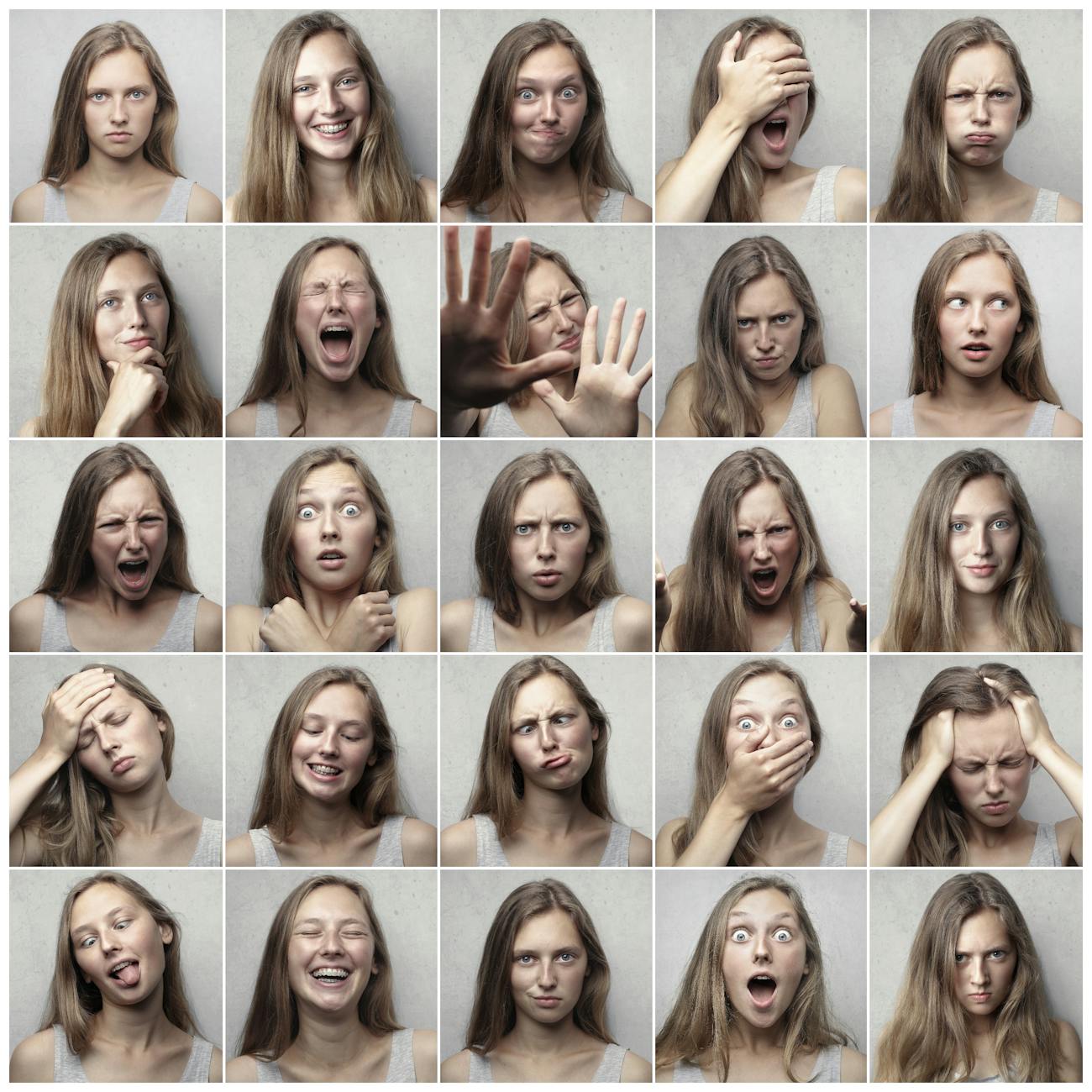
Our countenance, is an outward expression often of the state of our heart and mind. In a state of restlessness, our countenance screams loudest, and the same is true in calm and tranquility. Either way, countenance is infectious. Therefore, be careful what you project. This is not an invitation to bottle things up, but a reminder to stay ventilated through appropriate channels.
Countenance is infectious so we ought to be careful what we project. It very easily rubs on those around and they will mirror exactly what is emitted. That is why some things may not be said in certain circles, some expressions held back and some emotions not shown in some places.
When the question ‘Why are you in despair, O my soul? And why are you restless and disturbed within me?’ (Ps 42:11a) is asked, it is a call to check our countenance. The answer to that question is:
“Hope in God and wait expectantly for Him, for I shall again praise Him, The help of my [sad] countenance and my God. (Ps 42:11b)”
#sly
 Your Daily Dose
Leave a comment